


WAYIN: Your Premier Solar Generator Manufacturer
Rich Experience
We have been developing in the new energy industry, especially the solar energy industry, for more than ten years. We have a strong team that specializes in designing and developing green energy products, and constantly launches unique upgraded products on the market.
One Stop Solution
We provide one-stop solutions for customers in the new energy industry. Whether you need solar panels, inverters, batteries, home solar, industrial solar, or agricultural solar, our engineers and labs are here to help you research solutions, implement your ideas, and optimize your costs.
Professional Service Team
Our professional service team is committed to providing customers with professional, efficient and reliable services. We provide progress tracking at each stage according to the order to ensure customer interests and support customers in handling after-sales issues and market analysis strategies.
Fast Delivery
We have our own factories, warehouses and logistics centers, and can reasonably arrange production and shipment, even if you are an overseas partner. This helps you produce and ship new products as quickly as possible and update products in your store.
Type of Solar Generator


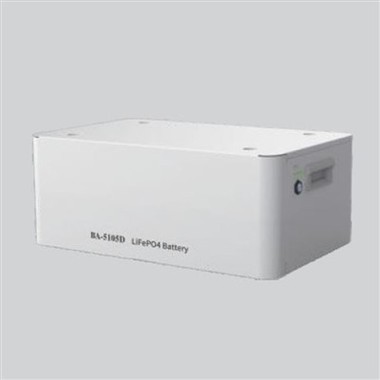

What is Solar Generator?
A solar generator is a portable power station that uses portable solar panels to charge a battery, and the stored electricity can be used to charge or operate other devices. Unlike a traditional generator, which is normally powered by gas, diesel, or propane and includes an engine, fuel tank, and alternator, a solar generator lacks any moving parts. A portable solar generator turns out to be a great power supply, whether you’re on the road, camping, or needing electricity during a power outage. Depending upon your situation, you might want a solar generator with a variety of outlets, especially in emergencies where you have multiple power-dependent devices and appliances.
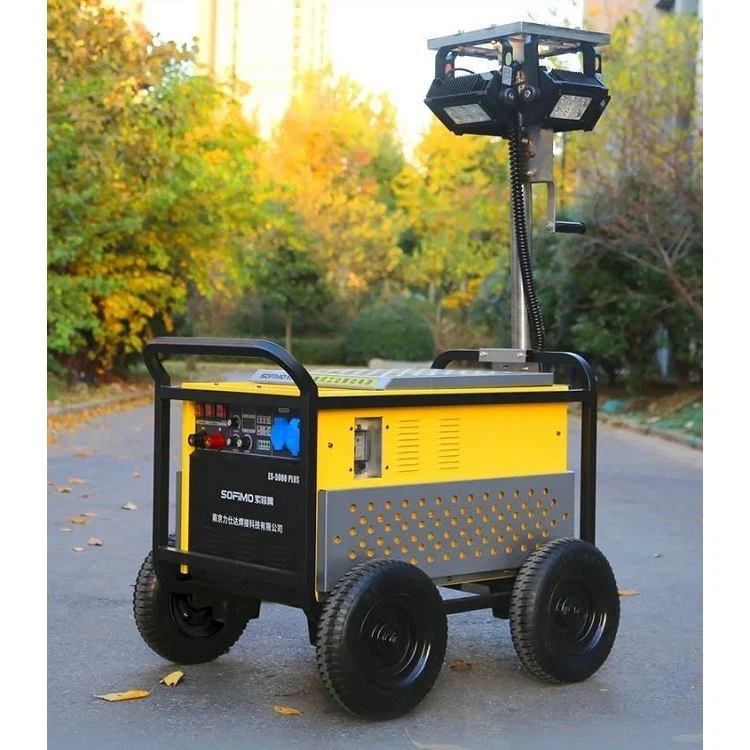
A portable solar generator is a combination of a power station and a solar panel. The power station stores energy in batteries, and the solar panel collects energy from the sun and converts it into electricity. The solar generator can be used to provide power for disaster preparedness or unforeseen situations.Here is a more detailed breakdown of the process:
●Solar panels convert sunlight to DC electricity and pass it through the charge controller.
●The charge controller regulates the voltage of electricity before storage, ensuring the right amount of current goes to the battery.
●The battery stores all the solar energy for later use.
●The inverter converts the stored energy from the battery to the AC power that most appliances and devices use.
Types of Solar Generators
Solar generators come in various types, each designed to cater to specific energy needs and usage scenarios.
Portable Solar Generators
These compact and lightweight units are ideal for outdoor activities, camping and charging small devices. They usually feature integrated solar panels and built-in batteries for convenient mobility.
Stationary Solar Generators
Stationary systems are more powerful and often mounted on rooftops or fixed structures. They are suitable for residential and commercial use, providing continuous renewable energy to power homes and businesses.
Hybrid Solar Generators
These generators combine solar panels with other power sources, such as wind or gasoline/diesel generators. The integration of multiple sources ensures a consistent power supply even during extended periods of low sunlight.
Backup Solar Generators
Designed for emergencies, backup solar generators store excess energy during sunny days and offer a reliable power source when the grid is down.
The Components of a Solar Generator

Solar Panels
Also referred to as photovoltaic cells, solar panels convert sunlight into electricity. Solar generators use portable and foldable solar panels to differentiate them from rooftop panels.

Charge Controller
When the electricity is generated by the solar panels, the first component it reaches is the charge controller (or regulator). As solar energy is generated at variable rates, the charge controller's job is to shape and condition electricity to avoid overcharging. The highly efficient solar generators are equipped with MPPT technology that ensures nothing is damaged when power flows through the system.
Inverter
Another core component of the portable solar generator is an inverter that turns direct current output from solar panels to alternating current. The job of the inverter is to draw energy from the solar system and transport it to appliances.
Solar Battery
The electricity generated by solar panels is stored in the solar battery until it's needed. Most modern solar generators have an in-built lithium-ion battery to store current collected by solar panels.
Advantages of Solar Generators
It Has No Noise
You won’t hear any noise from a solar generator as you would find in a conventional fuel-powered generator for obvious reasons. There are no moving parts in a solar generator, and the only noise you might hear will come from the inverter. And still, this noise is minimal.
You Have a Free Energy Supply
Once you get the solar power gear, the rest of the equation is free. You have an unlimited source of energy once you are in a place with an optimal amount of sunlight. Remote areas also do not worry as you would expect if you are running gasoline-powered generators. You are also not subject to volatile price fluctuations like in diesel and gasoline.
Low Running Cost and No Fumes
A solar generator also has a lower running cost compared to a fuel-powered generator. The sun is free, so you are not buying fuel. There are also no moving parts, so you are not running the risk of parts needing replacement when damaged. Solar-powered generators don’t emit fumes that are hazardous to the environment like the fuel-powered generator. So, they are the safest option for use.
5 Reasons to Own a Solar Generator for Homeowners
Having a portable solar generator ensures you can meet basic electricity needs during an emergency. Storms, floods, and other natural disasters can knock out power for days or even weeks. This can disrupt communications, refrigeration, lighting, and other essentials. With portable solar generators, you'll be able to keep your refrigerator, freezer and other appliances running to prevent food spoilage. You'll also be able to keep your lights on, charge your cell phone to stay connected, power medical devices if needed, and prevent disruptions to daily routines.
Having your own portable solar generators provides energy independence beyond the limitations of the traditional grid. With solar panels and batteries, you'll ensure you have power generation and storage even when the utility shuts down temporarily. The more electricity you can generate and store yourself from the sun, the less you'll have to rely on the utility company for your needs.
Once you have a portable solar generator, the sun provides free renewable electricity. By maximizing your use of solar energy during daylight hours, you'll greatly cut your reliance on the traditional electric grid and reduce your energy bills. You'll save money using your own power. The more you can leverage solar power for your household tasks, the less you'll have to pay the utility company each month.
Using solar energy has positive environmental benefits compared to relying entirely on fossil fuel-based electricity from traditional power plants. By tapping into solar energy, you reduce your need for power from polluting sources like coal, natural gas, and nuclear generators that emit greenhouse gases and other toxic byproducts.
You can take compact solar generators with you practically anywhere - camping, outdoor events, job sites, or use them during activities away from home. Wherever you go, you'll have a renewable power source from free solar energy as long as there is sun. Handy solar generators ensure you have electricity access anytime, anywhere, off-grid.
Difference Between Solar Generators and Gas Generators
After understanding how solar generators work, you may also be considering traditional gas generators. Next, let's take a look at their differences:
Fuel & Cost
Solar generators are a much more cost-effective option than gas generators, as you don't have to pay for fuel or maintenance costs. Solar energy is free and renewable, meaning that you can enjoy clean energy for years without spending too much money. The expensive part of it is the cobalt in lithium batteries, which acts as the battery's negative electrode and is an extremely difficult metal to mine. On the other hand, gas generators require regular refills, making them more expensive in the long run.
Noise
Gas generators can be quite noisy, while solar generators are completely silent. This makes them ideal if you want to use your generator discreetly or in a public area without disturbing others.
Weight
Solar generators tend to be more lightweight than their gas counterparts since they don't need heavy fuel tanks or large engines. This makes them easier to transport and store away when not in use. On the other hand, gas-powered models usually weigh much more due to their heavier components such as tank and engine parts.
Applications of Solar Generator
Power Large Appliances
Large appliances use up lots of electricity quickly, such as air conditioner, washing machine, refrigerator, etc. Without a doubt, these appliances would lead to a high cost per annum. Considering how important these tools are in the home, you can power them up using a solar power system.
Power Cooker
An electric cooker is an essential tool that every home needs, and it is one of those appliances you can power with solar systems. Cookers range from small coffee maker to a large oven in the house. With it, you can make meals either in the house or outside during camping or hiking events safely without causing any harm to the environment.
Power Building Tools
You can also power your drilling tools with solar systems. Drilling tools will come in handy at home and outdoor events like camping and hiking. A 1500-watt solar panel could power most of the drills and routers in the market. But if you are looking to power circular saws or something bigger, you’ll need at least 3000 watts.
Power Electronic Devices
Today, our smart devices are just as important as food. Considering the importance of these devices, most solar systems are designed to power them at the basic level. You can simply plug them via an AC adapter or a 12V DC into the solar system.
Power Light
Most times, solar generators come with lights that you can use for navigating camp areas or in the house. More so, most of them come with handles or lanyards, with which you can carry them around whenever you need. While the lights on the generators can work, bright lamps are the most appropriate because they are mobile and very bright at the same time.
Power Mini Fan
You will need the sun to power your solar generator, but when the sun shines brightly, it heats the campsite and your tent. A mini fan can greatly assist in mitigating such discomfort since you can power your mini fan via the AC power output, which is about 40W in most solar generators.
Taking Care of Your Portable Solar Generator
Keeping your portable solar generator free from debris and dust is crucial for its longevity. Simply wiping down the generator with a soft cloth can prevent the buildup of dirt and dust. We recommend a high quality, static-free microfiber cloth. Additionally, it’s important to clean solar panels regularly and inspect the battery and connections. The manufacturer’s manual provides specific maintenance instructions that you should follow.
It’s crucial to never overload your solar unit, even though solar technology seems almost inexhaustible. Overloading happens when the total load on the device exceeds its carrying capacity. When this happens, the inverter is forced to handle multiple applications, which can cause the device to break down or malfunction.
It is crucial to use your portable solar generator in a well-ventilated area to ensure proper airflow and prevent any risk of overheating. Make sure to keep the generator away from any combustible materials or gases as they can pose a serious hazard. It is also important to avoid stacking anything on top of the unit while it is in use or storage as this can restrict airflow and lead to potential damage.
While many solar-powered generators have waterproof cases that make them water-resistant, it’s important to remember that there are still limits to their tolerance for water. Most generators are designed to withstand accidental spills or splashes, but anything beyond that can lead to malfunctions and damage over time. Don’t intentionally let water enter or touch your generator, even if it has a waterproof case.
For Individual Buyers
●Power Output: It is important to consider the power output of the solar generator for your power needs. Different solar generators have different capacities. If it has a higher output that is more likely to meet your power need.
●Battery Capacity: The answer to how long solar generators last depends on the capacity of the solar generator. Look for a generator with a high enough capacity to keep your devices running for an extended period.
●Portability: If you plan to use it for outdoor activities such as camping or picnics, look for a generator that is easy to carry and set up.
●Ease of Use: Individual buyers should consider the ease of using their generators. And go for generators that are easy to operate and come with clear instructions. Some generators require specialized knowledge to operate, so consider your level of technical expertise before making a purchase.
●Cost: Finally, consider the cost of the solar generator and whether it fits within your budget.
For Professional Buyers (B2B Businesses)
●Warranty and Customer Support: Professional buyers should look for solar generators that come with comprehensive warranties and customer support services, as this will ensure they have access to the help they need if they encounter any problems or issues.
●Price: Solar generators can range in price from several hundred dollars to several thousand dollars. Professional buyers should look for models that offer good value for money, taking into account factors such as the quality, capacity, and battery life of the solar generator.
●Capacity and Power Output: Solar generators come in different sizes and capacities, and the amount of power they can produce varies. Professional buyers should determine their specific energy needs and select a generator that can meet those needs.
●Quality and Reliability: Solar generators must be able to produce a consistent, steady flow of electricity in all weather conditions. Professional buyers should look for brands and models with a reputation for quality and reliability.
●Compatibility: Solar generators must be compatible with the existing energy systems. So professional buyers should ensure that the models they are considering are compatible with the most popular needs and systems in the market.
Our Warehouse
We have our own factories, warehouses and logistics centers, which enable us to produce and deliver new products to customers as quickly as possible and help customers develop larger markets.

Our Certificate
We are committed to the development and production of green energy-related products, and have obtained relevant certificates, such as CE certificates, and patent certificates, to provide customers with high-quality, reliable products.

Ultimate FAQ Guide to Solar Generator
Q: Can a solar generator power a house?
Q: Is it a good idea to get a solar generator?
Q: How long do solar powered generators last?
Q: What's the difference between a solar generator and a solar battery?
Q: How much does a whole house solar generator cost?
Q: What are the disadvantages of solar generators?
Q: What will a 1000 watt solar generator run?
Q: What can I run with a solar generator?
Q: Do solar generators work in winter?
Q: Can you run a solar generator continuously?
Q: Is it worth buying a portable solar generator?
Q: Is it better to have solar panels or a generator?
Q: What is better an inverter or solar generator?
Q: Which is better solar generator or solar inverter?
Q: What size solar generator do I need to run a refrigerator?
Q: How noisy is a solar generator?
Q: Are solar generators a fire hazard?
Q: What can a 3000-watt solar generator run?
Q: Can you live off the grid with a solar generator?
Q: Can you have both solar panels and a generator?
Q: Do solar generators work at night?
Q: Can you run a freezer on a solar generator?
We're well-known as one of the leading solar generator manufacturers and suppliers in China. Please rest assured to wholesale custom made solar generator from our factory. Good service and quality products are available.
Solar Generator, Surface Water Pump For Irrigation, Submersible Solar Water Pump For Fountain